Professional Independence: The Six Things Every Future Entrepreneur Should Declare Independence From

Every July, here in the United States, we celebrate the freedoms that generations before us fought to preserve. It’s a time for family gatherings, barbecues, fireworks, and reflecting on the opportunities we enjoy today.
The holiday also reminds me of another kind of independence: professional independence.
Professional independence isn’t about owning a business for the sake of saying you’re an entrepreneur. It isn’t about escaping work or avoiding responsibility. It’s about building the ability to create opportunities for yourself regardless of what happens in the economy.
In today’s market, that ability has never been more valuable. Artificial intelligence is changing the way many professionals work. Organizations continue to restructure. Entire job functions evolve faster than they did only a few years ago. Technical expertise remains important, but expertise alone no longer guarantees career security.
The professionals who thrive are those who know how to create value, communicate it, and bring it to the marketplace.
That’s professional independence.
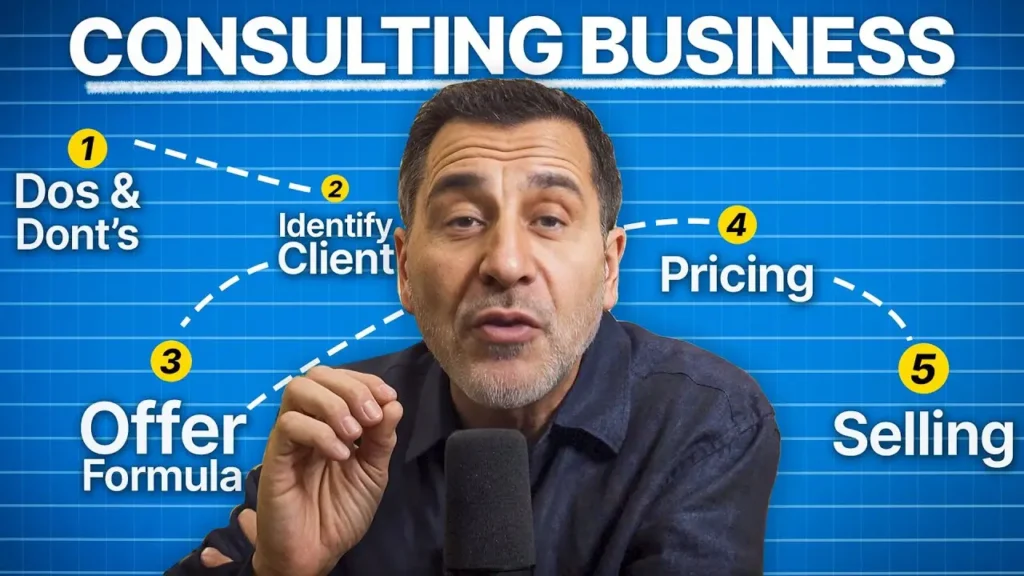
I recently discussed this topic in a YouTube video where I shared six beliefs and habits, and mindsets that quietly keep talented professionals stuck. This article expands on those ideas and provides practical ways to begin building the capabilities that create long-term career independence.
While essential for entrepreneurs, these beliefs and habits can also make you more valuable and sought-after as a paid employee, which is a form of independence in itself.
Why Professional Independence Matters More Than Ever
Most of us are taught that career success comes from becoming excellent at our profession.
Become a better engineer. A better accountant. A better marketer. A better consultant.
Technical expertise is essential, but entrepreneurship demands more than technical expertise.
Building a business requires a different set of capabilities. You need to identify problems worth solving, communicate your value, earn trust, sell your services, deliver exceptional work, and build lasting relationships.
Those capabilities give you something every entrepreneur needs: options.
Whether you decide to stay with your current employer, start a consulting business, or pursue another opportunity in the future, those skills stay with you. They become part of your professional toolkit and increase your ability to create opportunities instead of waiting for them.
My Own Journey Toward Professional Independence
When I was laid off during the technology downturn in 2003, I didn’t have a detailed entrepreneurial master plan.
I simply needed to create my next opportunity.
Like many professionals, I assumed my experience would naturally attract clients. I had worked for respected companies, managed large teams, and built a successful career. I thought those credentials would speak for themselves.
They didn’t.
I quickly discovered that clients don’t buy résumés.
They buy confidence, they buy trust, and they definitely buy solutions.
That realization forced me to learn entirely new skills. I had to become comfortable networking. I had to learn sales, proposal writing, pricing, negotiations, client delivery, and relationship building.
Looking back more than twenty years later, those capabilities and mindsets became far more valuable than any single technical skill I developed because they gave me something every entrepreneur wants:
Options. The kind of options that come with professional independence.
What Professional Independence Really Means
Professional independence is the ability to create opportunities because you’ve developed capabilities that people willingly pay for.
It gives you choices instead of dependence.
| Traditional Career Security | Professional Independence |
| One employer | Multiple opportunities |
| Promotions determined by others | Growth determined by your initiative |
| Job title defines your value | Capabilities define your value |
| Waiting for opportunities | Creating opportunities |
The goal isn’t necessarily to leave your employer tomorrow. The goal is to build the capabilities that give you options, so when you’re ready to take the leap, you’re doing it from a position of confidence rather than necessity.
That journey begins by declaring independence from six beliefs that quietly hold many talented professionals back.
Declare Independence From Waiting Until You’re Ready
One of the biggest mistakes aspiring entrepreneurs make is believing they’ll eventually feel ready.
They won’t.
Preparation has value. Endless preparation becomes procrastination.
I’ve worked with founders who accumulated certifications, purchased countless courses, refined business plans, and spent months researching their market. They believed one more credential or one more book would finally give them the confidence to begin.
One dentist I coached had decades of clinical experience, owned multiple successful practices, and held every credential imaginable. Yet, he spent years in preparation before launching a new venture. It was only when he began engaging with potential clients and witnessing their real-world challenges firsthand that he was able to refine his concept and build a thriving business.
His technical expertise was never the issue; it was a lack of action to gain experience in marketing, selling, and satisfying clients. The marketplace became his greatest teacher, providing insights through direct client conversations that no course could ever replicate.
The objective isn’t to eliminate uncertainty before you start, but to embrace learning while that uncertainty still exists.
Declare Independence From Imposter Syndrome
Let me let you in on a little secret about expertise: it’s relative. And a secret about experts: they all experience self-doubt.
If you know more in a given area to help someone solve a problem, you should feel confident in positioning yourself as an expert to meet that need.
I once coached a young consultant who worried that business owners twice her age would never take her seriously.
My advice was simple.
Your clients aren’t hiring your age; they’re hiring your ability to solve their problem.
Once she shifted her focus away from herself and toward helping clients succeed, her confidence grew naturally. And every client that this consultant helps will in fact make her more of an expert, ready to solve the next more complex problem.
Declare Independence From Needing Permission
Corporate careers naturally condition us to seek approval.
Managers approve projects. Leadership approves budgets. Someone else determines when you’re ready for greater responsibility.
The entrepreneurial mindset works differently.
Nobody will tap you on the shoulder and announce that you’re officially qualified to start your business.
One story I love involves entrepreneur Adam Lyons. Instead of waiting for introductions or industry credibility, he cold emailed billionaire Mark Cuban with a bold subject line asking whether he wanted to disrupt the insurance industry. Cuban responded, invested, and that company eventually became The Zebra, a billion-dollar insurance business.
Declare Independence From Perfectionism
Perfectionism often disguises itself as professionalism.
It sounds responsible and feels productive. In reality, it frequently delays progress.
I’ve coached entrepreneurs who refused to launch until their website looked perfect, their branding was complete, or every process had been documented.
Meanwhile, their competitors were meeting clients, gathering feedback, improving their offers, and growing their businesses.
Your first website won’t be your last, your first proposal won’t be your best, and your first sales presentation won’t be flawless.
Progress comes from deliberate repetition, not perfection.
Declare Independence From Fear of Selling
Many professionals genuinely enjoy solving problems.
Far fewer enjoy selling.
That creates an unfortunate contradiction.
You may possess extraordinary expertise, but people cannot benefit from solutions they never discover.
Selling isn’t convincing someone to buy something they don’t need.
Selling is helping someone determine whether you’re the right person to solve an important problem.
One founder who I coached had years of professional experience and was close to landing her first consulting client. Then she froze when it came time to discuss pricing. Talking about money felt uncomfortable.
That conversation wasn’t about money; it was about confidence.
Every sales conversation strengthens your ability to articulate the value that your service provides and close deals with profitable, sustainable pricing.
Declare Independence From Believing Expertise Alone Creates Opportunity
So some entrepreneurs need to declare independence from thinking that they need to be an expert before they can consult. Others need to declare independence from the idea that their expertise will sell itself.
No matter your actual level of expertise, you’ll need more than that to close deals and develop your business.
Technical expertise opens doors.
- You know how to solve problems
- You have industry knowledge and certifications
- You know how deliver a service and implement a solution
Business capabilities determine how far you walk through them. You’ll need to learn how to:
- Find clients
- Market your value
- Start sales conversations
- Build relationships
- Earn referrals
Some of the most accomplished professionals I’ve met struggled to build consulting businesses because they assumed expertise alone would generate demand. You still need to find leads, convince the leads of the value that you can deliver, and then deliver that value.
Your technical knowledge thus becomes dramatically more valuable when combined with business capabilities. The market rewards professionals who combine both.
Build the Capabilities That Create Freedom
Professional independence isn’t built through one decision.
It’s built one capability at a time. Think about your own development over the next month or quarter.
| Capability | Weekly Action |
| Networking | Schedule one new professional conversation. |
| Sales | Practice one discovery conversation each week. |
| Marketing | Publish one helpful LinkedIn post. |
| Client Delivery | Ask every client for feedback. |
| Referrals | Request one introduction from a satisfied client each month. |
None of these habits produces dramatic results overnight. Together, however, they compound into something much more valuable than short-term success. They create options. Professional independence isn’t achieved through a single decision. It is built through consistent action over time.
As you finish reading this article, choose one belief to leave behind and one capability to strengthen over the next thirty days. A good place to start is with these actions:
- Identify which of the six declarations resonates with you the most.
- Schedule one conversation with a potential client instead of spending another week preparing.
- Publish something that demonstrates your expertise without waiting for perfection.
- Invest time every week building business skills alongside your technical expertise.
- Watch the accompanying YouTube video and create your own action plan for becoming professionally independent.
Watch the Full Video
This article introduces the principles behind professional independence, but the accompanying YouTube video goes deeper into each of these six declarations. I also share additional founder stories and practical advice that didn’t fit into this article.