
Should you start solo in your consulting business?

Welcome to the Dojo!
Thinking about launching a consulting business? One of the early decisions you'll face is whether to go solo or start with a partner.
I've co-founded seven businesses, and I've learned the value of having partners you can depend on, especially during the long days (and nights) of building a business.
Question for you: What qualities do you look for in a business partner?
On the Mat
- Let’s Train: Should you start solo or with a partner?
- Ask Feras: “I'm good at what I do, but I have no sales experience. Should I find a cofounder who can sell?”
- Sharpen the Blade: [Video] The Ultimate Guide To Starting A Consulting Business in 2026
Let's Train
Should you start solo or with a partner?
My experience in co-founding several businesses taught me that a strong partner can expand your capabilities and share the load.
A mismatched partner can slow decisions and damage relationships, even when both people have good intentions.
If your goal is to replace your salary with a focused consulting practice, staying solo may be a good fit. You retain full ownership, control your schedule, and make decisions quickly. You also carry responsibility for prospecting, sales, delivery, and all the backend work. A large client engagement can limit the time you have to win the next one.
If you want to offer services that require complementary expertise, pursue more complex engagements, or divide major responsibilities from day one, a cofounder may add value. One founder might handle client development while the other oversees technical delivery. But shared ownership brings shared decisions. You need agreement on money, effort, quality standards, and the direction of the business.
Before inviting someone to become a partner, pressure-test these five areas:
- Complementary contribution. What can this person consistently contribute that you can't or don't want to build yourself? Experience, client relationships, specialized expertise, or ability to deliver are useful only when they're put to work. A potential partner's enthusiasm isn't enough.
- Commitment. Are you both prepared to invest the same level of effort? Someone building a side business on evenings and weekends may have different expectations from someone resigning from a job to work full-time.
- Goals. Are you trying to build a small practice that provides flexibility, or a firm with employees and a larger client base? You can respect each other's ambitions and still be mismatched business partners.
- Decision-making. Who decides what services to offer, which clients to accept, how to price work, and when to spend money? Agree on these points before a real client creates pressure.
- Difficult scenarios. What happens if one partner wants to leave, stops contributing, or disagrees about reinvesting profits? Discuss ownership, compensation, responsibilities, and an exit process. Get appropriate legal advice and document the agreement.
There's also a practical middle ground: start as the sole owner and get help where you need it. You can work with an independent contractor for specialized delivery, get advice from a mentor, or hire an accountant. Those relationships can support your business without requiring you to share ownership.
Before committing to a cofounder, consider working together on a defined project. You'll learn more about reliability, judgment, and how each of you handles clients than you will from several enthusiastic planning meetings.
Ask Feras Recap
 Challenge:
“I'm good at what I do, but I have no sales experience. Should I find a cofounder who can sell?”
 What I Told Them
Possibly, especially if the person has proven sales capabilities and shares your long-term goals. But learning how to sell your own consulting services is an important skill, even when you have a partner responsible for business development. Consider coaching, mentoring, or working with a sales specialist before giving someone permanent ownership.
Sharpen the Blade
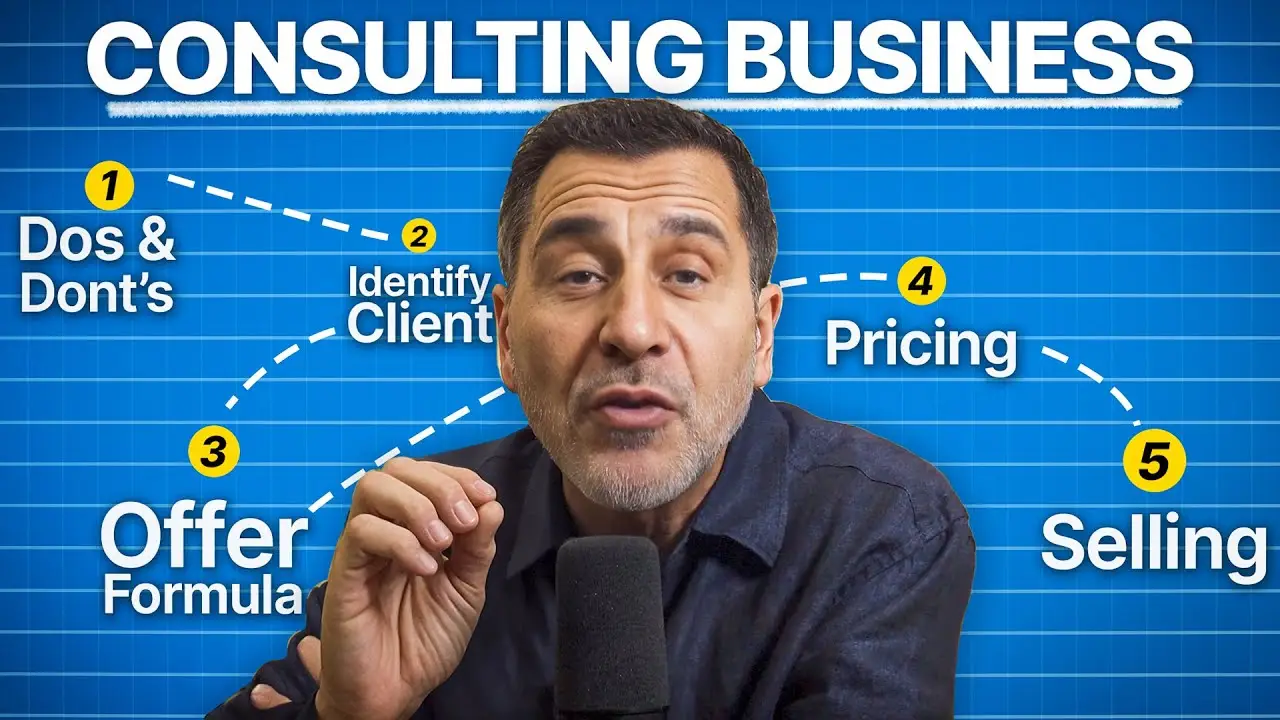
Whether going solo or with a partner, check out my Ultimate Guide To Starting A Consulting Business in 2026. I walk you through foundational decisions for first-time founders, including how to structure your business model, package your offers, and balance overhead before expanding.
Watch the video and subscribe to the channel to be notified.
Subscribe to the Black Belt Startup Newsletter
Weekly, 5-minute insights to help you escape the 9–5, land your first clients, and grow a thriving business.